From Study Permit to PGWP: Understanding Immigration Pathways After Studying in Canada
Study permit, Post-Graduation Work Permit (PGWP), provincial programmes: what Moroccan students need to know about Canadian immigration pathways — without confusing admission, work authorisation, and permanent residence.
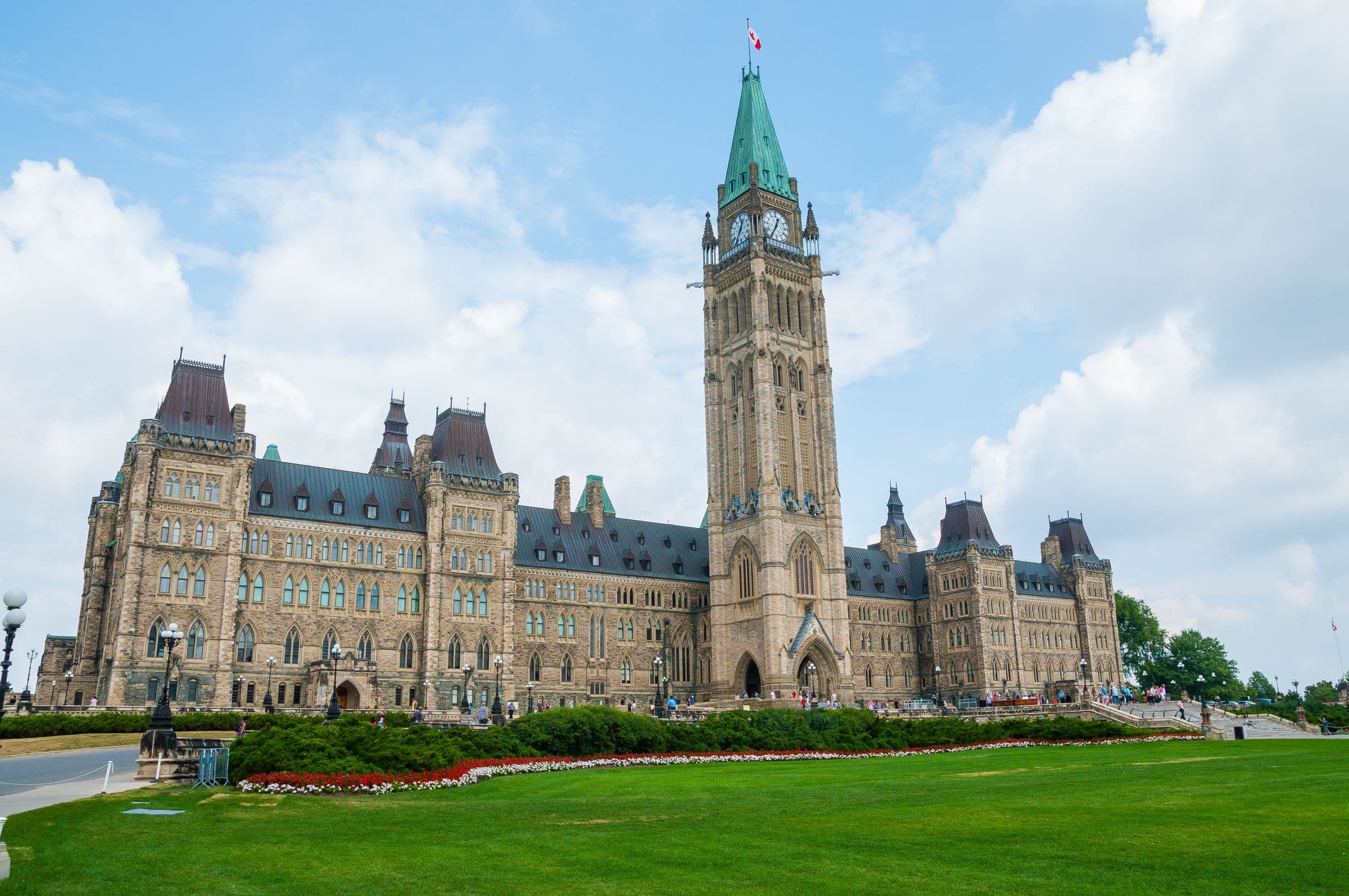
Studying in Canada opens real professional opportunities. But it is essential to distinguish each step: receiving an admission offer does not guarantee a study permit, and obtaining a PGWP does not guarantee permanent residence. Here are the main stages of the journey, as defined by Immigration, Refugees and Citizenship Canada (IRCC).
Four Distinct Steps Not to Confuse
The journey of an international student in Canada breaks down into four independent phases: admission to an institution, obtaining the study permit, the Post-Graduation Work Permit (PGWP) after graduation, and then — through a separate process — a possible application for permanent residence. Each step has its own criteria, timelines, and administrations.
The Study Permit
Once in possession of an acceptance letter from a Designated Learning Institution (DLI), the student can apply for a study permit from IRCC. This permit authorises studying in Canada for the duration of the programme, and may allow part-time work during studies (up to 20 hours per week outside of scheduled breaks). It must be renewed if the programme extends beyond its expiry date.
- Present an acceptance letter from a recognised DLI
- Demonstrate sufficient financial resources for tuition and living expenses
- Provide biometric data (fingerprints and photo)
- Complete a medical examination if required based on previous countries of residence
- Have no criminal record incompatible with entry to Canada
The Post-Graduation Work Permit (PGWP)
After graduation, graduates of an eligible programme at a recognised DLI may apply for a Post-Graduation Work Permit (PGWP). This open work permit authorises working for any Canadian employer, for a duration that varies depending on the length of the programme completed. It is not granted automatically: an application must be submitted, and strict conditions must be met.
- Have studied at a recognised DLI in a PGWP-eligible programme
- Have completed a programme of at least 8 months (for short programmes) or at least 2 years (for a 3-year PGWP)
- Have been enrolled full-time for most of the programme
- Submit the application within 180 days of official confirmation of graduation
- Not have previously held a PGWP
Post-Graduation Professional Experience
The PGWP allows graduates to gain qualified work experience in Canada, which can then be used in permanent immigration programmes. This experience is often a key criterion, but it is neither automatically converted into permanent residence, nor sufficient on its own. Its value depends on the applicant's overall profile (French or English language proficiency, qualification level, sector, province).
Pathways to Permanent Residence
Several federal and provincial programmes allow former international students to apply for permanent residence after their studies. The main ones are Express Entry (which groups the Federal Skilled Worker Program, the Federal Skilled Trades Program, and the Canadian Experience Class), and the Provincial Nominee Programs (PNPs). Each programme has its own criteria for points, language, experience, and education level.
The Francophone Community Student Pilot Programme (FSTP)
This IRCC pilot programme targets graduates of participating institutions located in Francophone minority communities outside Quebec (including certain Ontario institutions such as Collège Boréal and Collège La Cité). It offers a pathway to permanent residence for candidates meeting specific criteria: French language proficiency, professional experience related to the diploma, and intention to settle in a Francophone community. Places are limited and rules may evolve.